Low-slope commercial roofs are a study in trade-offs. They give you usable ceiling space below, easier drainage than flat roofs when designed well, and a modern look when metal is used as the exposed surface. At the same time, low-slope systems are unforgiving when workmanship, detailing, or roof age starts to lag behind the realities of wind, rain, and thermal movement.
When people ask me about commercial metal roofing for low-slope applications, they usually mean one of two situations. Either the building has an existing roof that is showing stress, and they want to know whether Roof Repair is still on the table, or they have damage from an event and are weighing Emergency Roof Repair versus planning a full Commercial Roof Replacement. In both cases, the same questions matter, regardless of whether the roof is metal, TPO Roofing Installation, EPDM Commercial Roofing, Modified Bitumen Roofing, PVC Roofing, or something else on a flat or near-flat profile.
The decision point is not “metal vs. Not metal”
I’ve seen too many conversations derail into material debates when the real issue is performance after damage and long-term condition. A contractor may be able to repair isolated problems, but a worn-out system with multiple trouble spots, recurring Roof Leak Repair events, or widespread deterioration often ends up needing replacement. That “small isolated problems cedar shake tear-off and replacement versus widespread damage” framing is a common rule of thumb used when deciding between repair and replacement, and it’s the most practical lens for low-slope roofs.
Even with the same material, the right answer can vary building to building. Post-event evaluation matters. Hazards like wind, rain, hail, ice, snow, and fire can push a roof into states where repair is no longer the safest or most durable choice. Structural distortion, for example, can turn what looks like a “surface fix” into a deeper problem. In those cases, the focus shifts from patching symptoms to restoring the system’s ability to perform.
So the “metal question” is usually secondary. The primary question is whether the underlying system is still sound enough that Roof Repair will last, or whether the Roof Replacement cost is justified by the roof’s condition and the likelihood of repeated failures.
Why low-slope changes the conversation
Low-slope roofs sit in a narrower performance band. Their ability to shed water depends on details that must stay aligned over time: drainage paths, penetrations, transitions, and how the roof assembly is maintained. When the roof is new or maintained well, low-slope can be reliable. When it becomes older, or after a storm, the margin tightens.
This is where Roof Inspection becomes more than a visual walk. For commercial work, an inspection is often about confirming what kind of damage happened, where it is concentrated, and whether there are signs of broader issues. If you’re considering Roof Leak Repair or Roof Replacement After Leak, you need clarity about the source and the path water likely took, because low-slope systems can create conditions where the leak point you find is not the same as the failure point that created it.
I remember a project where the leak seemed to be centered around a seam line that had visible staining. The first thought was straightforward repair. But during the inspection, it became clear the roof had multiple areas showing similar symptoms, and the age plus the pattern of trouble suggested more than a single localized fix. That’s the moment where teams usually stop arguing about “how to patch” and start discussing “how to reset the roof.”
What a good assessment looks like in practice
A thorough Commercial Roof Installation or Commercial Roof Repair decision process usually follows a sequence, even if the paperwork looks different from contractor to contractor.
First, you establish the condition of the existing system and whether the problems appear isolated or distributed. Second, you evaluate how the roof responded to the specific hazard event, if one occurred. Third, you identify whether the risk is likely to remain contained with repairs or whether it will keep repeating.
For fire damage, wind-driven issues, and hail impacts, the core problem can be more than superficial. Guidance around roof performance under hazards emphasizes that properly designed, installed, and maintained roofs can reduce damage from hazards, and that post-event evaluation helps determine repair versus replacement. In other words, the “repair vs replace” conversation should be anchored to the event and the observed condition, not just the material label.
This is also why it’s smart to involve professionals early. Major manufacturers and industry education commonly point back to using a professional contractor to decide whether repair or replacement is best. A rooftop isn’t a single layer, it’s an assembly. Decisions about repair need to account for what you can’t always see from the surface.
Commercial metal roofing: where it often fits well
Metal often gets selected for commercial low-slope roofs because it can be part of a durable exterior system when designed and installed correctly. But durability is not a marketing word you can apply loosely. Metal can perform well, yet low-slope performance depends on the entire roof system, including how it manages water and how penetrations and transitions are handled.
If you’re planning Metal Roof Replacement, one practical approach is to treat the project as a system upgrade, not just a cover swap. Even when a building owner is focused on the “top layer,” the roof replacement scope typically includes multiple components, such as underlayment and roofing material, plus flashings and ridge caps, with cleanup at the end. That general description of what’s included in a replacement is consistent with how roof replacement projects are commonly broken down.
That matters because two roofs with the same exterior look can behave very differently if flashings and interfaces were done well on one and poorly on the other. When teams are evaluating Commercial Roof Replacement after leak or Emergency Roof Repair followed by aging concerns, this assembly-level thinking becomes the difference between a one-off fix and a long-term solution.
When Roof Repair still makes sense
Repair isn’t “less work,” it’s “the right work for the right kind of damage.” If the roof has a small isolated issue, and the rest of the system appears stable, repair can be a legitimate path. Conversely, if you have recurring leaks, multiple trouble spots, or broad deterioration, replacement tends to be the more defensible solution.
Here is the simplest framework I use when talking with building staff and property managers. It’s not a substitute for an inspection, but it keeps expectations realistic:
- If the damage appears isolated and the surrounding roof system looks stable, repair may be enough. If the roof is older and the issues are widespread, replacement often becomes the better long-term choice. If you’ve had recurring leaks or multiple trouble spots, the roof is likely signaling larger failure patterns. If the event caused structural distortion or changed the condition of the assembly, repair may not be feasible. If post-event evaluation shows evidence of damage beyond a single surface symptom, plan for replacement discussion early.
Those points align with common rule-of-thumb guidance used for Roof Repair versus Roof Replacement, and with hazard-focused guidance that emphasizes post-event evaluation.
When Roof Replacement is the safer call
Replacement comes up for reasons that feel expensive in the moment, but that decision often turns into savings later when you consider downtime, repeated emergency visits, and the disruption of patch-after-patch strategies.
A typical roof replacement process includes removing old roofing materials, installing new underlayment and roofing materials, replacing flashings and ridge caps, and cleaning up the site. That’s a meaningful reset of the assembly. For building owners, that reset can be worth more than the apparent short-term savings of leaving a stressed system in place.
Replacement also tends to be the most logical next step when you’re already paying for Roof Leak Repair repeatedly. At some point, the roof becomes a chronic maintenance item rather than a managed asset.
A small story about cost versus risk
On one property, the team kept funding emergency visits after storms. Each time, the immediate leak was addressed. But the building had multiple recurring problem areas over successive seasons. The conversation shifted from “Can we fix this one spot again?” to “What are we buying every time we patch?” Replacement was ultimately planned, and the budgeting got easier after that because there was a defined roof scope instead of an open-ended cycle.
That is the value of Commercial Roof Replacement when an aging roof is no longer behaving predictably.
Low-slope metal and the leak reality: why source matters
Roof leaks are rarely as cooperative as they look. Staining and water trails can show up far from where the actual failure began. On low-slope roofs, water can travel along subtle paths, and the roof assembly can hold moisture longer than expected.
That’s why Roof Leak Repair decisions should be grounded in inspection evidence. If a contractor finds only surface damage and doesn’t evaluate how water likely moved, the repair can become a guessing game. Repair might work once, then fail again after the next heavy rainfall because the underlying path hasn’t changed.
If you’re in the middle of Roof Replacement After Leak planning, treat it as a chance to learn what the roof is telling you. If the leak is part of a pattern, it’s not just a leak, it’s a system condition.
Comparing metal to other roof types on low-slope
It’s tempting to compare metals directly to TPO Roofing Installation, EPDM Commercial Roofing, Modified Bitumen Roofing, or PVC Roofing as if you’re shopping between single items. In reality, low-slope performance comes down to assembly design, installation quality, and maintenance practices.
That said, owners do compare because they want to understand trade-offs. I’ll phrase it carefully: different systems can be the right answer in different circumstances. If a property is pursuing Metal Roof Replacement, the comparison should be about what the building needs for the long term and what installation approach will create the most reliable assembly at that site.
You can hear the same logic on the residential side with Asphalt Shingle Roof Replacement, Slate Roof Replacement, Tile Roof Replacement, Flat Roof Replacement, or Cedar Shake Roof Replacement, but commercial low-slope systems operate under different constraints and different failure modes. Still, the guiding principles are consistent: repair isolated issues when appropriate, replace when the pattern suggests broader failure, and insist on professional evaluation.
The emergency repair phase: what you should expect
Emergency Roof Repair often happens under pressure. The building needs protection now, and the immediate goal is to stop active water intrusion. That’s not the same as a final roof restoration.
In practice, emergency work might be temporary or might proceed directly into longer-term repairs, depending on the situation and the extent of damage. If you’re coordinating with a contractor after storms, fire, or other hazards, ask for a clear explanation of what is being addressed immediately and what will be evaluated next.
From an owner’s perspective, the most useful outcome of emergency response is a reliable plan for the next steps, whether that ends in Commercial Roof Repair or Commercial Roof Replacement.
Practical details that affect metal roof performance decisions
Without getting into promises about specific product behavior, there are a few practical areas that consistently shape outcomes for commercial low-slope roofs, including those using metal.
First is how the building is used. Rooftops above occupied spaces have different risk tolerance than roofs above storage. Second is drainage and how water is managed. If a roof’s water pathways are compromised, even a durable exterior material has trouble maintaining performance. Third is the condition of interfaces, since failures often show up at transitions and penetrations.
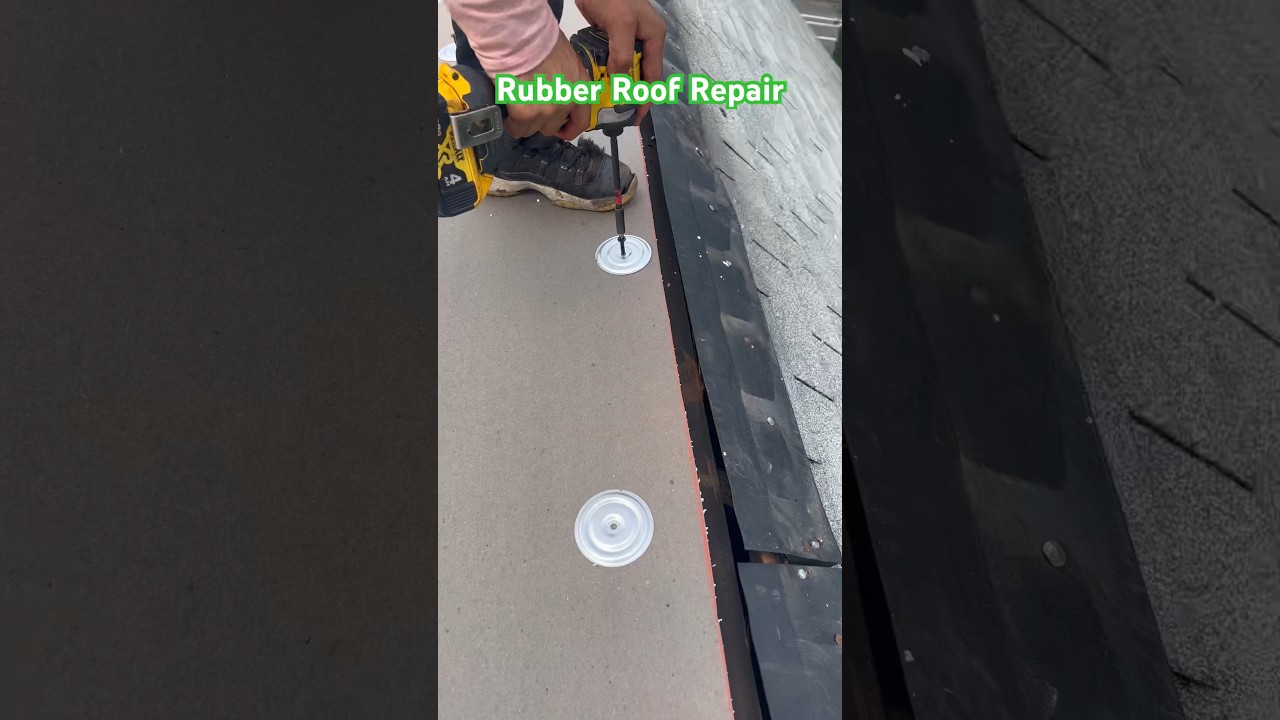
This is also why the inspection often needs to connect observations to likely causes. A roof inspection that stops at “here’s the stain” can miss the bigger issue. A roof inspection that ties staining, roof age, and post-event damage patterns to a likely failure mode gives you the basis to choose between Roof Repair and Roof Replacement.
Documentation that makes decisions easier later
When you’re weighing Roof Repair versus replacement, clarity early can prevent disputes later. I’ve seen projects go smoother when the contractor, property manager, and building staff share the same facts about the roof condition and the event timeline.
If you want to keep the process organized, here’s a short set of items that are usually helpful:
- Roof inspection report details and photos from multiple areas, not just one visible spot. A description of what happened during the event, including timing and observed impacts. Notes on any prior Roof Leak Repair, Commercial Roof Repair, or Emergency Roof Repair work. Clear scope language separating temporary emergency steps from final work. A documented discussion of whether repair can realistically address the pattern of damage.
This kind of documentation doesn’t force one outcome, it supports a reasoned decision.
Roof replacement cost: what typically drives the number
Roof Replacement Cost is rarely about the roofing material alone. Even the general description of roof replacement scope shows why: projects include removal of old materials, installation of new layers and underlayment, replacement of flashings and ridge caps, and cleanup. The labor, disposal, and rework potential add up.
For asphalt shingle roofs, one commercial report referenced an average 2023 roof replacement cost of $14,959, with the reminder that actual cost varies by roof size, materials, and project complexity. That number is specific to asphalt shingle context, but the principle is universal. For commercial metal roof replacements, your final number will depend on building geometry, roof size, accessibility, and how much of the system needs to be reset.
If you’re comparing options, ask contractors to explain what is included and what is excluded. In low-slope commercial projects, small scope misunderstandings can become expensive once the roof is torn off.
Metal roof replacement and aging: the “recurring issues” signal
One of the most consistent signs that an aging roof is nearing replacement is repetition. If you’re seeing the same kind of leaks after storms, or multiple trouble spots appearing over time, that’s the roof communicating that it is no longer behaving like a healthy system.
This lines up with common Roof Repair guidance: small isolated problems may be repaired, but widespread damage, older roofs, recurring leaks, or multiple trouble spots may justify replacement. If you’re planning Aging Roof Replacement, treat “recurring issues” as an indicator of assembly-level fatigue, not just localized wear.
In metal roof discussions, I often encourage teams to look beyond the visible roof surface. Even when metal appears intact at first glance, the interfaces, flashing details, and water management behavior may be underperforming.
Fire damage and metal low-slope roofs
Fire damage complicates every material choice. The key is that hazards can change whether repair is feasible, because the roof assembly can be affected beyond what’s visible from the top. Post-event evaluation becomes central, and a contractor’s judgment matters because repair and replacement feasibility is event-specific.
If you’re dealing with Fire Damage Roof Replacement, the likely path is not to assume the roof can be patched back to normal. Instead, focus on the inspection findings and the reasoned assessment of what the roof can safely do after the incident.
The real goal: reliable performance after the next storm
Every building owner ultimately cares about the same outcome: a roof that holds up when weather turns. Properly designed, installed, and maintained roofs can significantly reduce damage from hazards like wind, rain, hail, ice, snow, and fire. But maintenance and decision-making are what keep the roof from sliding into avoidable risk.
That’s why a professional Roof Inspection and a practical Repair versus Replacement evaluation are worth the time. When the roof is still viable, Roof Repair can buy time and address specific trouble spots. When the roof has widespread damage, recurring leaks, or signs that the assembly is no longer responding well, Commercial Roof Replacement is the more responsible move.
Commercial metal roofing can be a strong option for low-slope applications when the roof system is treated as an assembly and when decisions are grounded in observed condition and post-event evaluation. The best roof projects feel less like “choosing a material” and more like making a disciplined call based on what the building needs right now, and what it should withstand next season.
If you’re planning Roof Repair, Roof Replacement After Leak, or Metal Roof Replacement on a low-slope commercial roof, the most useful first step is a thorough inspection that connects visible symptoms to likely causes. From there, you can decide whether emergency repairs solve the immediate problem and whether the roof can realistically return to stable performance, or whether Roof Replacement is the cleaner, safer path forward.