A roof is supposed to disappear into the background, until it doesn’t. One season the home feels tight and quiet, the next you’re noticing a stain in the attic, a soft spot on a ceiling, or a drip that shows up only after wind-driven rain. At that point, the conversation quickly shifts from curb appeal to roof repair, roof replacement, and whether you’re dealing with something fixable or something that’s already reached the “replace it” stage.
Cedar shake roofing sits in a special category. It’s not just another covering layer. It’s a distinct look, a distinct feel, and it changes how people think about their homes. If you’re considering cedar shake roofing for a residential roof installation, it helps to understand the decision-making process just as much as the material itself. The right choice is usually less about preference and more about what your roof system needs, what the damage actually looks like, and how the installation will be handled by the contractor you hire.
When a roof problem is still a repair job
Most homeowners want a simple answer: repair or replace. The more honest answer is that both can be correct, depending on scope and condition. A common rule of thumb is that small, isolated problems can often be repaired. Widespread damage, recurring leaks, an older roof, or multiple trouble spots often point toward roof replacement instead.
Manufacturers also recommend that homeowners rely on a professional contractor to decide what makes sense. That matters because “it looks bad from the ground” and “it’s actually failing in the field” are two different things. A roof inspection can reveal whether the issue is localized, whether it has been reoccurring long enough to damage the layers underneath, and whether the underlying structure and water-control elements have been compromised.
If you’ve ever watched a leak repair turn into a second repair a few months later, you already understand why the scope matters. Water has a way of traveling. It doesn’t always show up where it entered.
Cedar shake roofing: why homeowners choose it
People choose cedar shake roofing for the visual warmth and the traditional character it brings to a home. It can look like it belongs on a hillside, on an older neighborhood street, or on a newer build that’s trying to feel established. When installed well, it can also age with a natural patina rather than looking like it’s stuck in one uniform color for its entire life.
But cedar shake roofing is also one of those materials where installation details and system alignment are especially important. Your roof is not just shakes and shingles. It’s a layered assembly that includes underlayment, flashings, ridge components, and drainage pathways. When those pieces work together, the roof performs. When they don’t, you end up chasing symptoms.
Even if your goal is a cedar shake roof replacement years down the line, it’s worth thinking about the long-term system quality now, because roof replacement isn’t just “swap the top layer.” A proper replacement includes removing old roofing materials, installing new underlayment and roofing materials, replacing flashings and ridge caps, and cleaning up the site.
That same theme applies to repair decisions too. A contractor that knows how to evaluate damage will pay attention Commercial Roof Replacement to how water is getting in and how far it has moved beneath the surface.
The roof inspection that actually helps
A roof inspection is where the best decisions get made. If you’re dealing with roof repair, roof replacement, or even emergency roof repair after a storm, your first job is to find out what’s real.
In practice, a helpful roof inspection tends to focus on:
- Where the problem started, not just where it shows Whether the issue is isolated or repeating across multiple areas The condition of components that work behind the scenes, like underlayment and flashings Signs that the roof has aged unevenly, which can turn a minor issue into a larger one
Safety matters as well. Wind damage, slopes, and structural looseness can create risk during an inspection. In storm events, IBHS guidance emphasizes that properly designed, installed, and maintained roofs can reduce damage from hazards like wind, rain, hail, ice, snow, and fire, and that post-event evaluation can help identify cases where repair is preferable to full replacement. That aligns with what contractors learn quickly: the “right” answer comes from evaluation, not guesswork.
If you’re calling about roof leak repair, ask yourself a simple question. Did the leak appear because of a sudden event, or has it been building quietly? A roof replacement after leak is more common than people expect when the leak has been recurring, because moisture and damage don’t always stop at the ceiling stain.
Repair vs replacement: how the decision usually lands
There are a few themes that show up again and again, whether you’re talking about cedar shake roofing or asphalt shingle roofing, or any other residential roof installation material.
First, age and spread. A roof that’s older and has widespread damage often makes replacement the more durable choice. Second, recurrence. When you have the same kind of problem popping up in different seasons, it’s usually telling you that the underlying cause hasn’t been corrected. Third, how the roof has been performing. If the issue is linked to multiple trouble spots, a replacement approach can be more consistent than attempting repeated localized roof repair.
This is also why emergency roof repair after a storm is often temporary. A quick response can prevent further interior damage, but the permanent solution still depends on what the inspection finds. If structural or water-control layers are compromised, patching the surface isn’t enough.
To make it practical, here’s a short list of questions that tend to clarify repair vs replacement without turning the conversation into a guessing contest.
- What specifically failed: shingles or shakes, flashing, ridge components, or underlayment? Is the damage localized or do you see multiple trouble spots? Is there evidence of recurring leakage, or is this truly a first-time event? What would a repair scope include, and what would it exclude? If you recommend replacement, what components would be replaced as part of the work, beyond the top layer?
If the contractor can answer those questions clearly, you’re usually moving in the right direction.
What a roof replacement actually includes
Homeowners often think of roof replacement as a simple swap: remove the old roof covering, lay down the new covering, and move on. In reality, replacement involves system work. A typical roof replacement includes removing old roofing materials, installing new underlayment and roofing materials, replacing flashings and ridge caps, and cleaning up the site.
That detail becomes important when you’re deciding between roof replacement and roof repair. If the leak or damage touched flashings, ridge caps, or underlayment, a repair that doesn’t address those areas can leave you vulnerable to repeat failures.
This is also why people sometimes underestimate roof replacement cost. Even when you’re only replacing a portion of the roof, the work can still include underlayment and flashing changes, plus the labor involved in safe removal and installation.
As a reference point, GAF reported an average 2023 roof replacement cost of $14,959 for an asphalt shingle roof, with actual cost varying by roof size, materials, and project complexity. That figure is for asphalt shingle roofing, not cedar shakes, but it highlights the reality that roof replacement cost swings with scope and conditions. Your quote should reflect your roof’s measurements and complexity, not a generic number.
Cedar shake roofing: trade-offs you should think through
Cedar shake roofing can be a beautiful choice, but it’s not a “set it and forget it” system. The best way to protect your investment is to understand what can impact performance.
Here are the trade-offs that show up most often during planning and evaluation:
Aesthetic goals vs system expectations
Cedar shake roofing delivers a specific look. To get that look, the contractor needs to follow proper installation practices for the material, and the roof system needs to be detailed correctly at penetrations, edges, and transitions. If those details are missed, you may not notice problems immediately, but later you can get leaks that are harder to diagnose.
Repair path vs replacement path
A small, isolated issue can often be repaired. The question is whether the problem you’re seeing is truly isolated or whether it points to a broader underlying condition. Rule-of-thumb guidance suggests replacement becomes more likely with widespread damage, recurring leaks, an older roof, or multiple trouble spots. Cedar shake roofing is no exception, because the underlayment and flashing system still has to protect your home from water infiltration.
The “storm story” matters
Wind-driven rain, hail impact, or fire damage roof replacement are not all handled the same way by the roof system. After a major event, post-event evaluation becomes key. IBHS notes that proper design, installation, and maintenance reduce damage from wind, rain, hail, ice, snow, and fire, and that post-event evaluation can identify cases where repair is preferable to full replacement. Translation: you do not want to make the decision based on surface appearances alone.
If your roof has had a rough weather season, it is worth treating the situation as a roof inspection plus decision-making exercise, rather than a quick patch.
What you can learn from other roofing categories
Even though your focus here is residential cedar shake roofing, it helps to understand how replacement logic works across roofing types, because many homeowners make the same mistake: they assume the top surface is the whole system.
In commercial settings, IBHS guidance for low-slope systems discusses repair vs replacement evaluation for materials including spray polyurethane foam and low-slope metal, and notes that fire, hail, wind, and structural distortion can change whether repair is feasible. That doesn’t directly describe cedar shakes, but it reflects a consistent theme: the material on top may not be the deciding factor. The condition and behavior of the assembly beneath and around it often determines the proper solution.
That same reasoning should guide residential roofing decisions too. If water-control layers and flashings are compromised, roof repair becomes less reliable over time.
Scheduling, safety, and the reality of coordination
When people plan residential roof installation, they often focus on the aesthetic timeline. But from a contractor perspective, timing also affects weather risk, logistics, and the ability to complete the work in a controlled way.
If you’re dealing with emergency roof repair after a storm, the first priority is stopping active intrusion and preventing interior damage. A follow-up roof inspection then informs whether you’re looking at a longer-term repair approach or aging roof replacement.
If you’re planning cedar shake roofing as a new installation or a cedar shake roof replacement, scheduling matters too because cedar shakes require a proper installation window. You want a crew that can complete the core roofing work cleanly and finish with the details handled correctly, especially flashings and ridge components. Replacement still includes tasks like underlayment installation and flashing replacement, not just shake placement.
Cost and budgeting: what drives roof replacement cost
The phrase roof replacement cost can make people fixate on one number, but a quote usually reflects a handful of drivers:
- Roof size and complexity The extent of removal and whether multiple layers or components must be corrected Whether underlayment and flashings need replacement Access conditions and how much coordination is required
Because costs vary by project complexity, it’s smart to treat your quote as a breakdown of scope rather than a single surprise line item. As noted earlier, GAF’s reported average 2023 asphalt shingle roof replacement cost was $14,959, though actual cost varies by roof size, materials, and project complexity. Cedar shake installations can land differently depending on material and installation approach, but the budgeting mindset should stay the same: confirm what’s included.
If you’re considering roof replacement after leak, ask whether the quote includes replacing the pieces that likely absorbed moisture. A repair quote that doesn’t address underlayment or flashings when they’re part of the failure can lead to expensive repeat work.
Installation quality: what “good” looks like after the crew leaves
Once cedar shakes are installed, it can be tempting to judge the work by how neat it looks from the driveway. That’s a start, but it shouldn’t be the end of your evaluation.
A quality job usually shows up as consistent lines, clean edge conditions, and correct transitions at all the places water loves to find weaknesses. Even without getting overly technical, homeowners tend to notice the difference between a roof that was installed carefully and one that looks finished but still feels rushed.
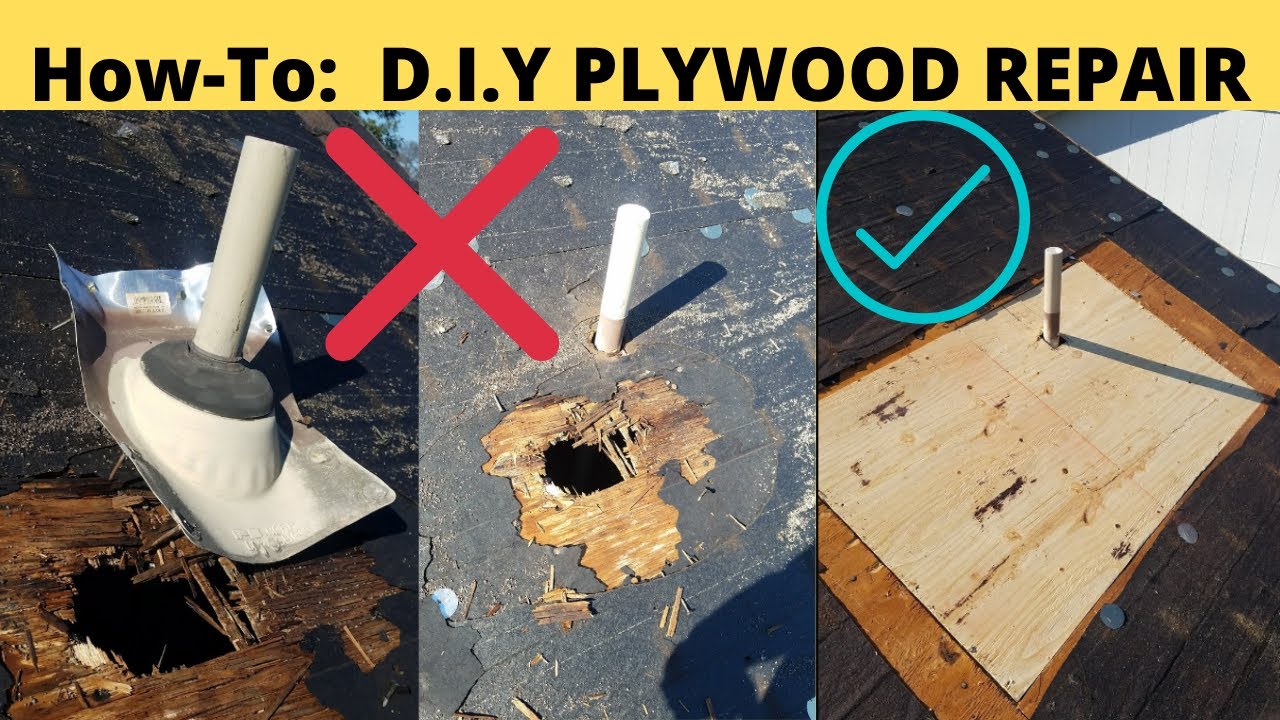
When you walk around after installation, you can also pay attention to how the site was cleaned. Replacement work includes cleaning up the site. That isn’t just about convenience. A thorough cleanup reduces the chance that debris gets into gutters, valleys, or drainage areas, which can create performance problems later.
Common scenarios and how contractors typically respond
Real roofs fail in patterns. Here are a few scenarios that change whether you’re heading toward roof repair or roof replacement, and where cedar shake roofing decisions often get made.
A storm hits, and you see new damage
After hail, strong wind, or other weather, you can see surface damage quickly. The next step should still be a roof inspection focused on the full assembly. If damage is localized, you may get repair. If there are multiple trouble spots or recurring issues, replacement becomes more likely.
You notice a leak stain, but the roof looks fine
Sometimes a roof leak repair request is really a clue that water traveled. That means the issue might be near penetrations, flashings, or areas that aren’t visually obvious. This is where the contractor’s evaluation matters most. A repair that doesn’t follow the water path can fail even if the visible area is addressed.
You’ve repaired before
Recurring leaks are a strong signal. Rule-of-thumb guidance suggests that recurring leaks, older roofs, and multiple trouble spots often justify replacement. If you’ve already done one or two repairs, the contractor should be able to explain whether you’re correcting a root cause or repeatedly treating the symptoms.
How to talk to contractors when cedar shake roofing is on the table
When you contact a roofing contractor, your best move is to make the conversation concrete. Instead of saying, “I want cedar shakes,” you’ll get better answers by describing what you’re seeing, what happened, and what you want the roof to protect.
A useful approach is to bring the roof inspection findings or your observations, then ask the contractor to connect those to the solution. If you need emergency roof repair, ask what temporary stabilization will look like and how the permanent plan will be decided. If you’re planning a full replacement, ask what the replacement includes, since a typical roof replacement includes removing old roofing materials, installing new underlayment and roofing materials, replacing flashings and ridge caps, and cleaning up the site.
That combination of clarity and scope helps you avoid misunderstandings later.
Cedar shake roofing and the long view: maintaining performance
No matter what material you choose, maintenance and informed responses keep a roof performing. Cedar shakes can be an attractive, lasting option clay tile installation when installed correctly, but the roof still needs to be evaluated when conditions change.
If you’ve had roof repair work done in the past, keep records of what was fixed and when. When a new issue appears, those notes can help your contractor identify whether it’s the same failure pattern. That’s also a practical way to avoid repeating the wrong kind of work.
If you’re already seeing signs that your roof is aging and performance is dropping, it may be time to discuss aging roof replacement rather than another round of quick fixes. Again, the decision tends to align with what the roof inspection reveals: isolated problems can often be repaired, while widespread damage, recurring leaks, and multiple trouble spots often justify replacement.
One more perspective: the decision should be defendable
The best roof work is easy to defend because it’s based on evaluation. IBHS emphasizes that post-event evaluation can identify cases where repair is preferable to full replacement. Manufacturers also advise using a professional contractor to decide whether repair or replacement is best.
So if you’re considering cedar shake roofing for residential roof installation or planning cedar shake roof replacement, aim for a decision that holds up under scrutiny. You want a contractor who can show you what they found in the roof inspection, explain why the failure behavior is occurring, and connect that to whether roof repair, roof replacement, or roof replacement after leak is the best route.
When you get that, you’re not just buying materials. You’re buying a plan.
Quick comparison note: cedar shakes vs the other common options (and why it matters)
A lot of homeowners compare cedar shake roofing to asphalt shingle roofing simply because they’re both common, and the pricing conversation feels familiar. Architectural shingles, for example, are a premium laminated type of asphalt shingle, and asphalt shingle roofs generally last about 20 to 30 years, according to Owens Corning. Cedar shakes can look dramatically different, and they may be chosen for character and aesthetic goals, but the performance conversation still needs to stay system-focused.
If you’re also considering other roofing styles for different parts of your property, it’s worth remembering that commercial roof installation and commercial roof replacement follow similar “assembly matters” principles. Materials like TPO roofing installation, EPDM commercial roofing, modified bitumen roofing, commercial metal roofing, and PVC roofing all have their own characteristics, but contractors evaluate repair feasibility based on how damage affects the overall system.
In residential decisions, you’ll get the most reliable outcome when the same disciplined thinking applies to cedar shakes too.
Here is a short set of comparison points you can ask your contractor to address, without turning your project into a guessing game.
- How does the underlayment and flashing approach support water control for cedar shake roofing? Are there details at edges, penetrations, and ridge areas that must be corrected for long-term performance? What signs indicate localized damage that can be roof repair, versus widespread conditions that justify roof replacement? If there has been fire damage roof replacement or major storm damage, how does post-event evaluation affect the scope? How will the contractor handle cleanup and final site readiness, since replacement work includes cleaning up the site?
Final thought on choosing cedar shake roofing
Cedar shake roofing can be a rewarding material choice when your roof system is assessed honestly and installed with care. The beauty is real, but so is the work behind it. The most confident projects tend to start with a good roof inspection and end with replacement scope that matches the failure pattern, not just the visible surface.
Whether you’re planning roof replacement after leak, responding to emergency roof repair needs, or choosing between roof repair and roof replacement as your roof ages, the decision should feel grounded in what the roof is telling you. Cedar shakes may be the headline, but the performance comes from the details: underlayment, flashings, ridge components, and the way the contractor handles the roof as a complete system.